General Surgeon in Port Charlotte, FL
Serving Charlotte County, Sarasota, Fort Myers, Cape Coral, and surrounding areas
The number of surgeons nationwide is extensive. So we understand why finding the right one for you can be difficult. Fortunately, Dr. Finley offers high-quality and comprehensive general surgery, tailored for your health.
What is General Surgery?
General surgery describes a wide range of common operations. Most often, surgeries in this category deal with conditions that affect the abdomen, which includes the stomach, pancreas, gallbladder, and intestines. However, a general surgeon is also often trained in operations on the skin, muscles, ligaments, and tendons. Depending on their location in the body, a general surgeon may remove both benign and malignant tumors. Many surgeries in this classification are outpatient, meaning they can return home the same day. However, there are exceptions when a patient must remain under observation for 24 to 48 hours.
When is surgery necessary?
Ideally, surgery is a last resort when all other measures don't adequately treat the problem. Our Port Charlotte, FL, surgeons recognize that most people would, if at all possible, prefer to avoid surgery, which is why Dr. Finley offers conservative measures first.
Some examples of when surgery may be necessary include the following:
- A mass that's growing
- A mole that's changing in color, size, texture, or border
- Pain that isn't responding to standard therapies
- Blockage in the intestines that affects bowel movements
- An abscess that isn't responding to antibiotics
- A hernia that's causing pain or bowel movement problems
- A muscle or ligament tear that isn't healing
Our surgeon is also trained to perform bariatric surgery to help you on your weight-loss journey.
Why Choose Our General Surgeon?
Our general surgeons have the necessary training to perform several general surgeries. And if you're looking for weight-loss surgery, our surgeons are the ones you should see. Moreover, if you'd like to reduce the incisions’ number and/or size to reduce scarring and make your recovery easier, our surgeons can do that.
Our surgeon can even offer robotic surgery, known for its precision and accuracy, even when it comes to surgery requiring the utmost attention to detail.
Gallbladder disease
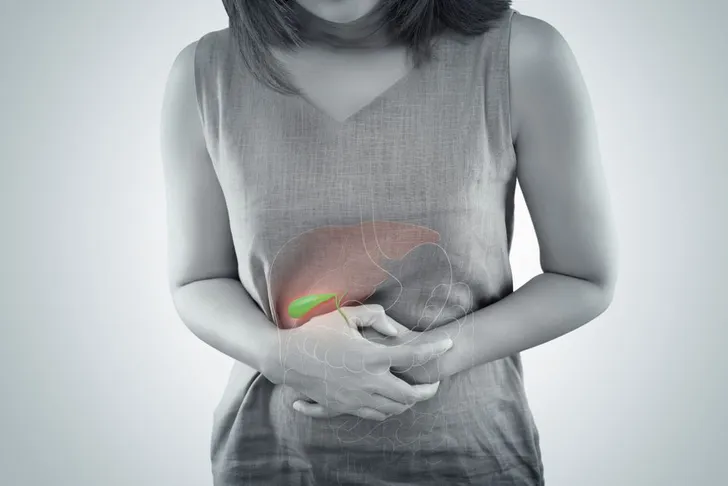
Gallbladder disease is very common, affecting 10-15% of people at some point in their life. Patients suffering from gallbladder problems experience pain in the upper part of their abdomen, generally on the right side. Symptoms can get worse after eating. Symptoms can be constant or can come and go. Surgery for gallbladder problems is the most common surgery done in the U.S. Fortunately, these surgeries are done laparoscopically and as an outpatient. After surgery, your appetite will be decreased for a couple of days, but in the long run, no permanent change is necessary to recover from gallbladder surgery. Your liver learns how to adjust without the gallbladder.
Colon surgery

In general, surgery on the colon is needed for either colon cancer or diverticulitis. Fortunately these days, all colon surgery can almost always be done minimally invasive with robotic surgery. This is a huge benefit for colon surgery with significantly lower risk of complications and much shorter stay in the hospital (2 days instead of 5 days). Traditional open colon surgery is now done only for emergencies.
Pilonidal Cyst
A pilonidal cyst is a trapped hair follicle along the tail bone. It typically presents as recurrent swelling and draining from a lesion over the tail bone. Unfortunately, this trapped hair follicle will continue to drain and cause issues until it is removed. Surgery involves an outpatient procedure to remove the hair follicle and the draining tract. After surgery, it important to keep the area clean and dry for approximately 2 weeks while the site heals up.
Hemorrhoids
There are two types of hemorrhoids, internal and external. Both tend to bleed. External hemorrhoids can be felt outside the anus and are typically painful. Internal hemorrhoids present most commonly with bright red blood and are usually painless. Internal hemorrhoids can also protrude out from the anus and then pop back inside. Typically, treatment starts with high fiber diet, stool softeners to avoid straining, and topical over-the-counter medications. Both internal and external hemorrhoids that fail to respond to medications can be remove with an outpatient procedure.